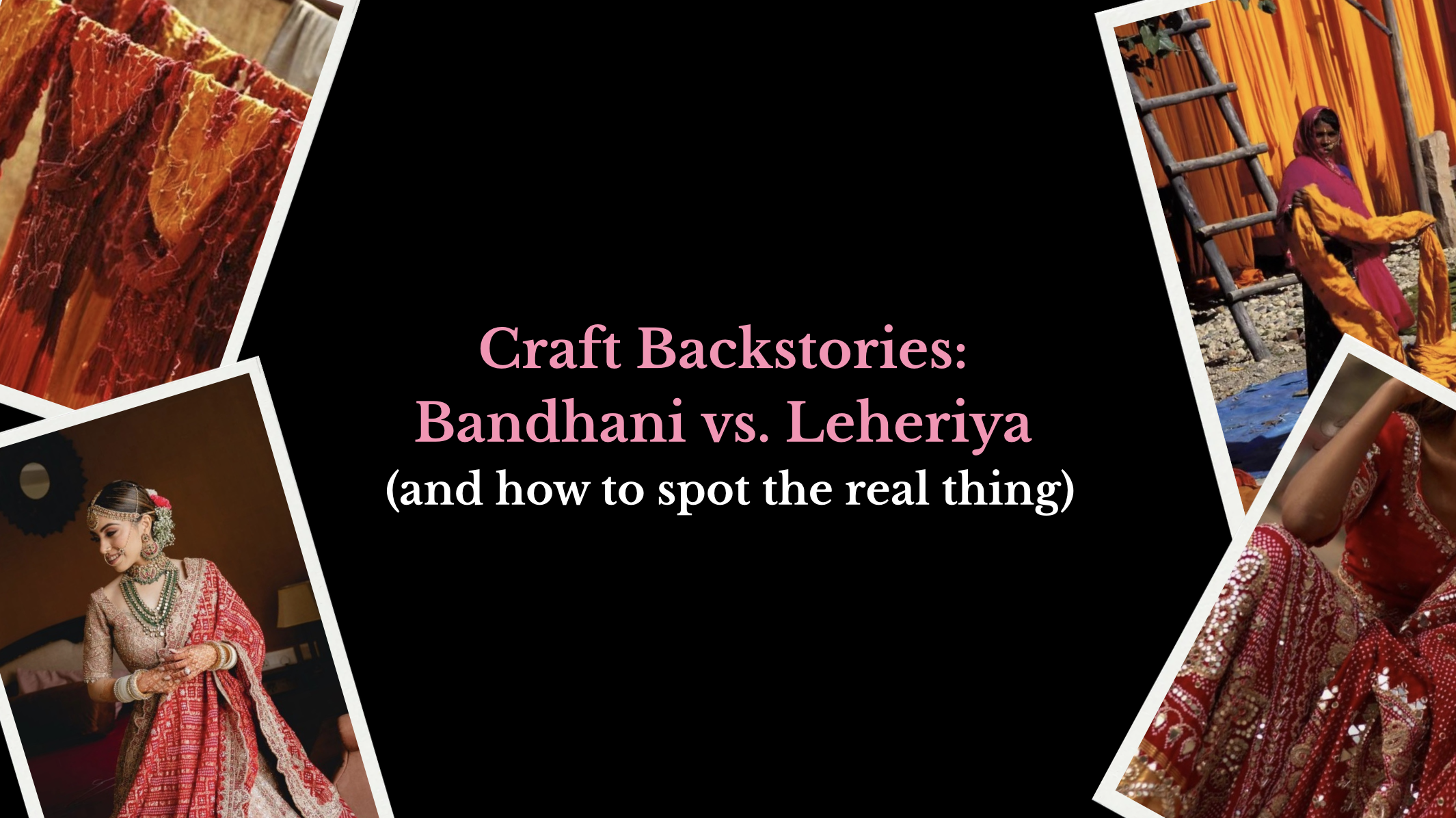
Bandhani is everywhere on wedding guest lists right now, mehendis, haldis, sangeets, all of it. Here’s who’s doing it best, how to tell it apart from its equally popular cousin Leheriya, and how to wear it without buying it outright.
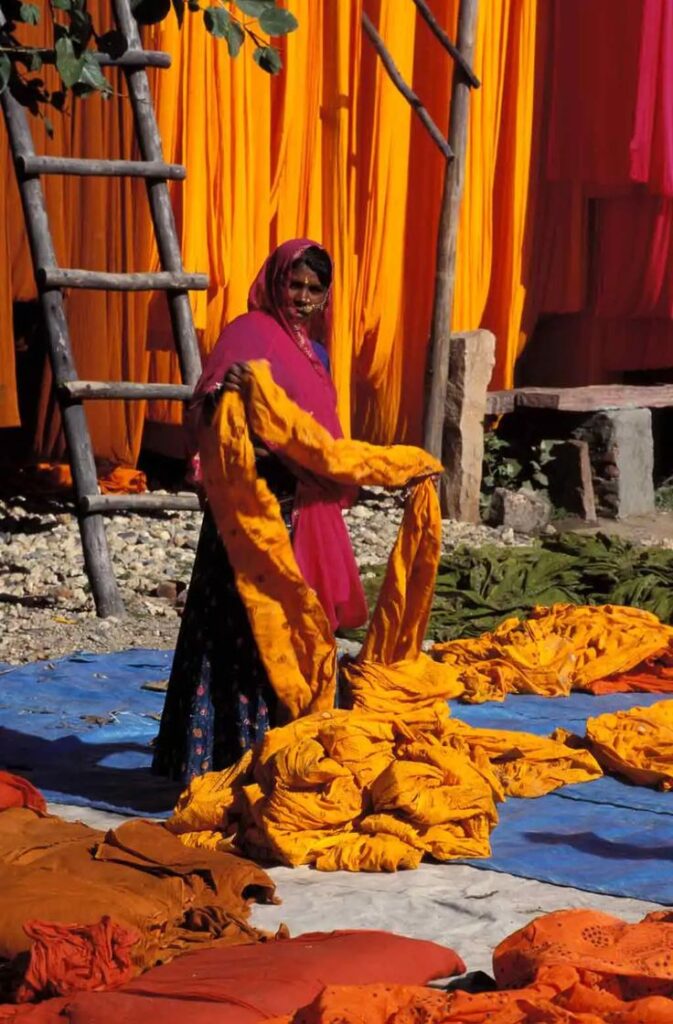
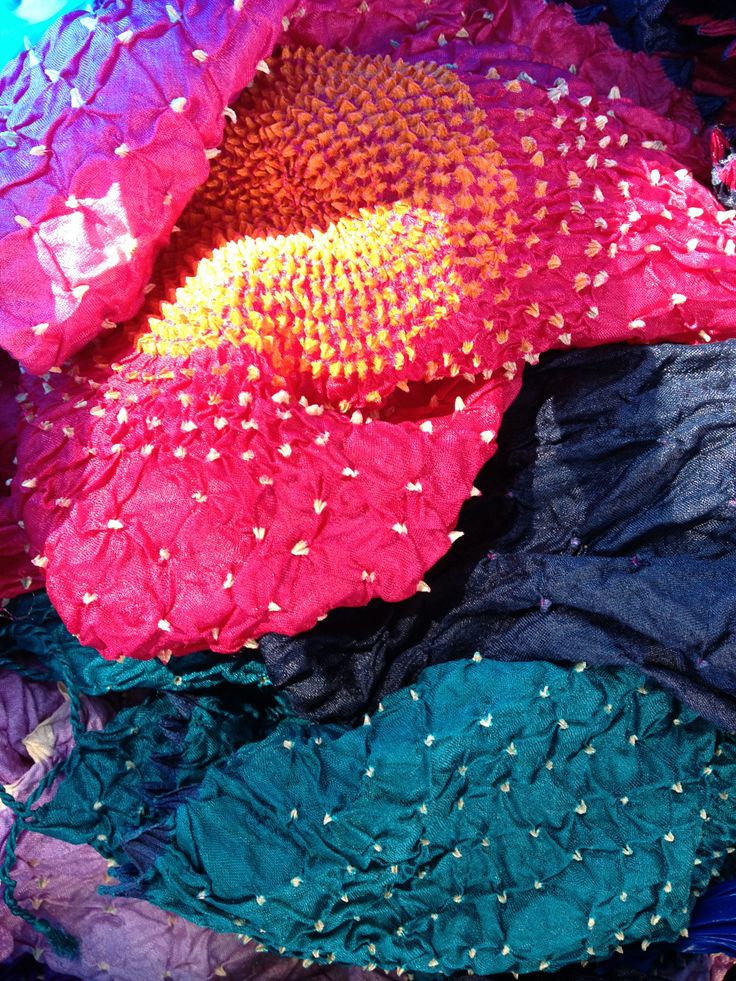
Bandhani is a hand tie-dye technique from Gujarat and Rajasthan, made by tying thousands of tiny individual knots into fabric before dyeing it. The word itself comes from the Sanskrit “bandh,” meaning “to tie,” which is essentially the whole technique in one word¹. Its story is often traced back to the Indus Valley Civilisation, where archaeologists have found early dyed cloth remains dating back to around 4000 BC, though the earliest confirmed dotted tie-dye patterns specifically appear later, in 6th-century paintings depicting the life of Buddha at the Ajanta caves². It’s been practised for generations almost exclusively by the Khatri community, centred in Bhuj, Jetpur, Jamnagar and Anjar in Gujarat, and Jodhpur, Jaipur and Udaipur in Rajasthan, making it one of the oldest textile crafts on the subcontinent, older than most of the fashion houses currently reviving it.
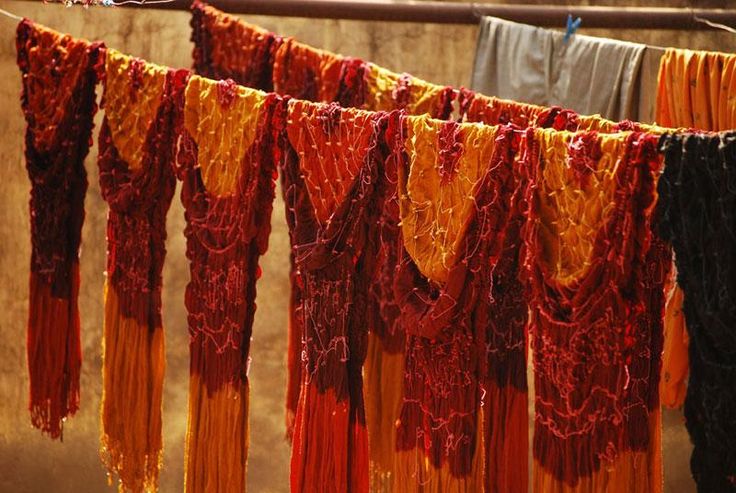
Before the designer edit, worth knowing what you’re actually looking at. Bandhani creates small, dotted patterns, “bheendi,” from individually tied knots, each dot the result of one physical knot released after dyeing. Leheriya, also from Rajasthan, creates diagonal, wave-like stripes through a different resist dyeing process, the fabric rolled diagonally corner to corner and bound at intervals with thread before dyeing, rather than tied dot by dot. The two are frequently worn together in a single outfit today, a Leheriya dupatta with a Bandhani blouse, for instance, and several of the designers below play with exactly that combination.
Rimple & Harpreet Narula take Bandhani furthest from its roots, layering couture-level embroidery on top of the traditional dotted base until it barely reads as tie-dye at first glance. Their pieces lean heavily embellished and structured, closer to a full couture lehenga than a craft revival piece, which is exactly why they work best for the main sangeet or reception, the one function where you want the craft dressed all the way up.
Arpita Mehta goes the opposite direction, leaning into Bandhani’s inherent maximalism rather than dressing it down. Expect bold, colour-blocked palettes, often multiple Bandhani patterns combined in the same lehenga, which gives her pieces a specific kind of high-energy, daytime-party feel. This is the label to reach for if you want the trend to be immediately, unmistakably obvious, ideal for a daytime mehendi where bold colour photographs beautifully in natural light.
Faabiiana sits at the more restrained end of the spectrum, Bandhani sarees and dupattas with a contemporary drape and a lighter hand overall. Less lehenga-heavy, more saree and separates-focused, which makes the label a strong pick for haldi functions or smaller pooja events.
Siddharth Daga is the one to know if you want the craft itself to be the whole story. His pieces stay closer to traditional weaves and colourways rather than reinterpreting Bandhani through a fashion lens, minimal embellishment layered on top, letting the knot-work and colour carry the entire look. Worth considering; specifically when you want a piece that reads as heritage rather than trend.
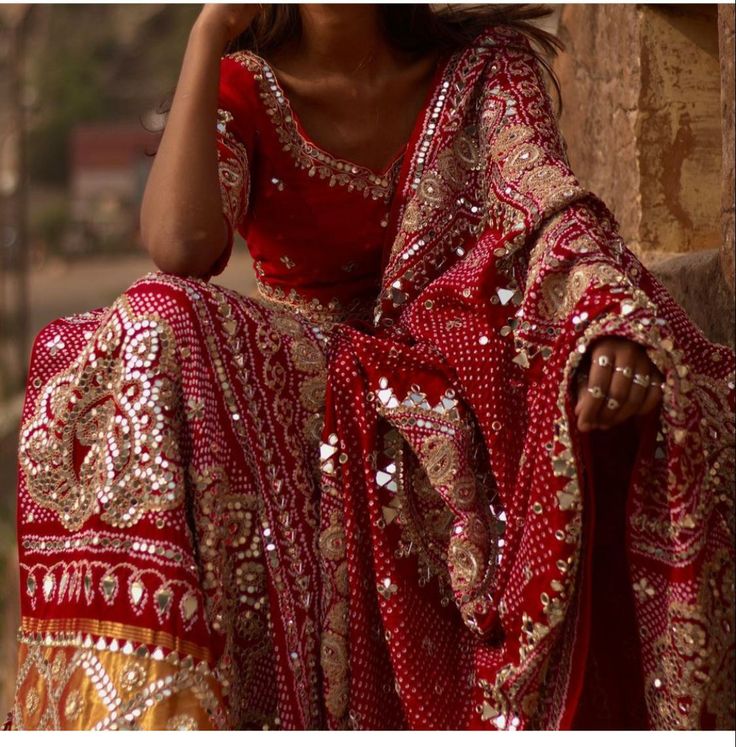
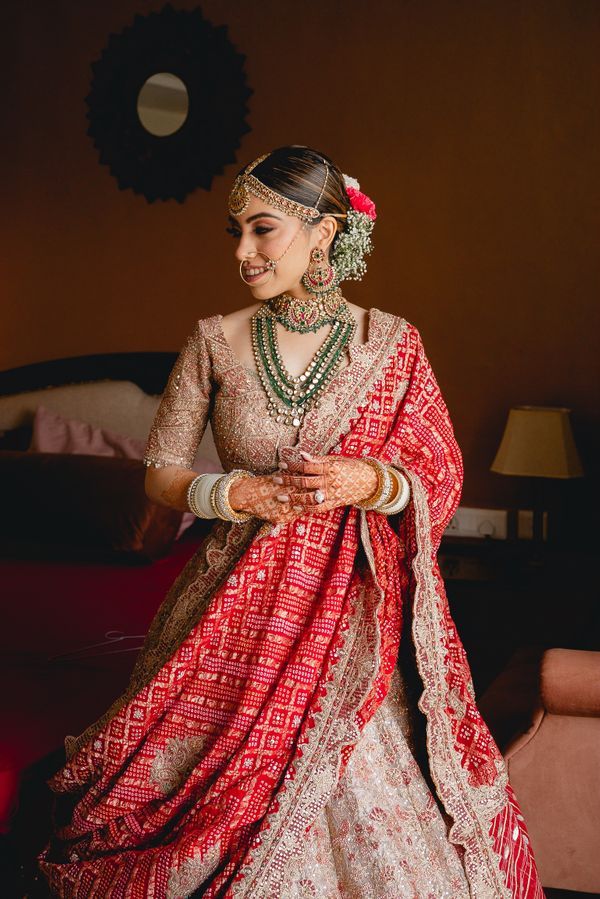
Real hand-tied Bandhani has tiny puckers and irregularities at the centre of each dot, the physical mark of a knot having actually been tied and released. Anything with dots that are perfectly uniform, sharp-edged, and identical across the whole fabric is very likely machine-printed. Worth checking closely before renting or buying anything sold as “hand-tied,” since the price difference between the two is significant, and it’s the detail that separates a Siddharth Daga heritage piece from a mass-produced imitation of one.
A well-made, hand-tied Bandhani piece from any of these labels is genuinely couture, the kind of craftsmanship that took someone weeks, sometimes with thousands of individually tied knots, before it ever touched a dye vat, a single metre of cloth can carry thousands of these “bheendi” knots. Buying that outright for one mehendi or one haldi function rarely makes sense. On SWRL, you can borrow that same craftsmanship, wear it exactly for the occasion it deserves, and hand it back. For the full breakdown of how that process works, check out our [How Renting Works guide].
Happy SWRLing.

























Shared with love, from around
the world