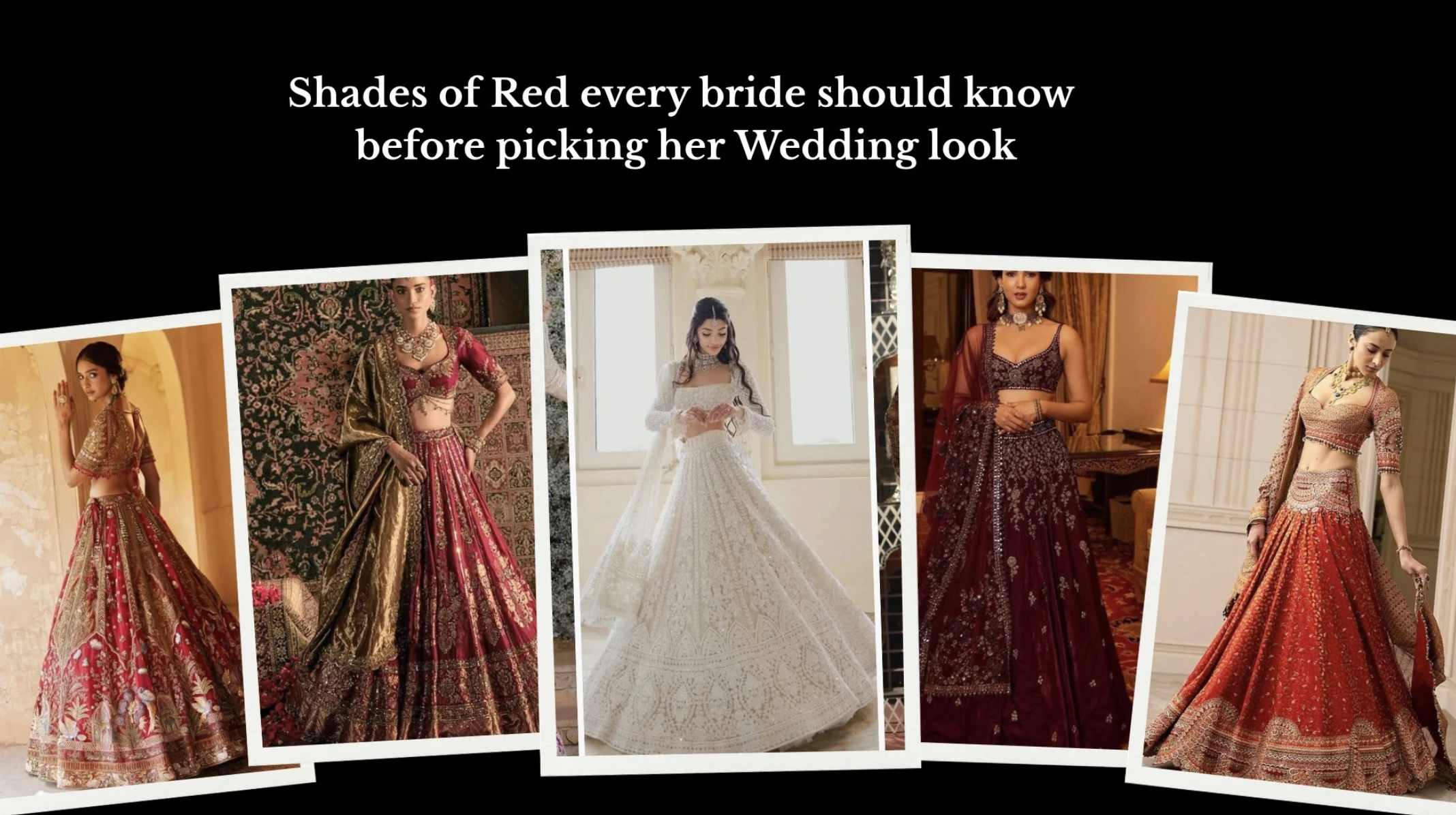
Red has been the default bridal colour in India for so long that most brides don’t even question it, they just assume “bridal red” means one single shade. It doesn’t. There are at least a dozen distinct versions of it doing the rounds this wedding season, from soft sindoor-inspired tones for daytime functions to deep, almost-black wines for winter evening receptions, and each one photographs, drapes, and reads completely differently.
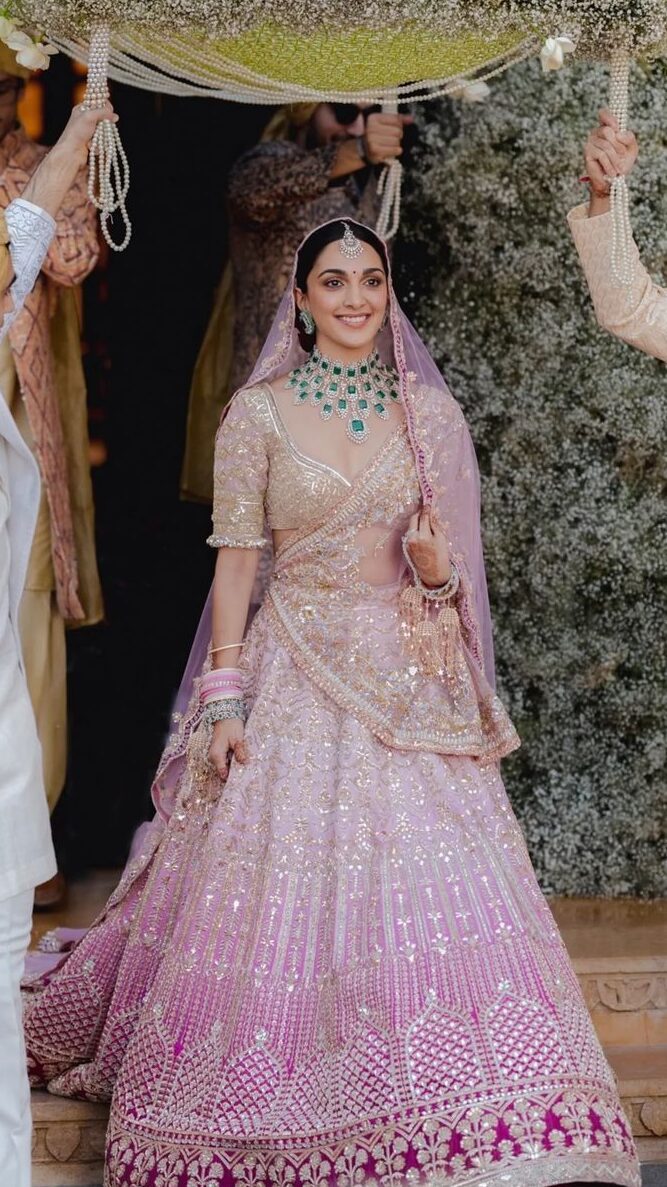
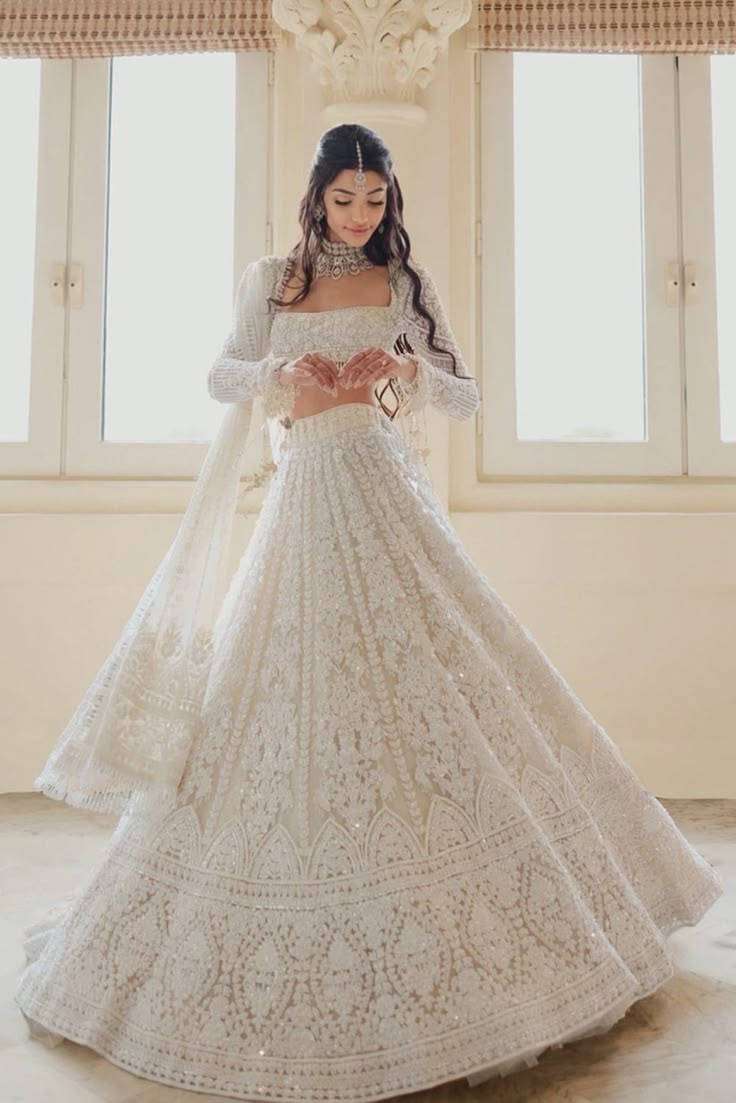
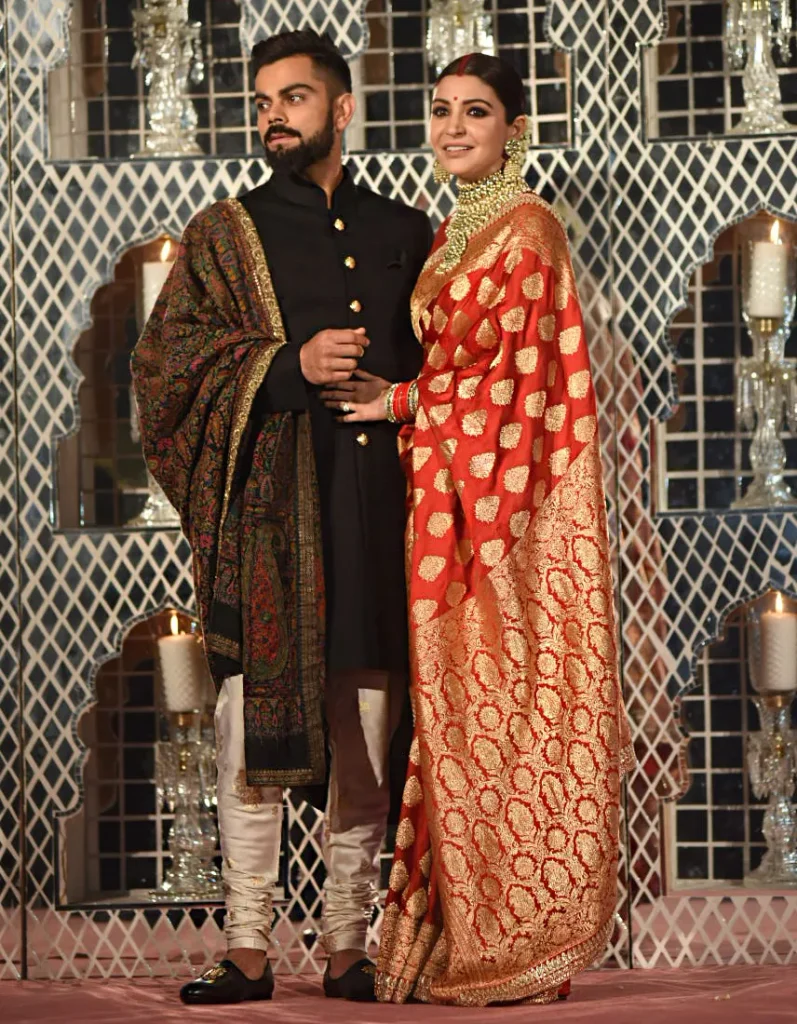
Red also isn’t the only story anymore. Kiara Advani married Sidharth Malhotra in a pastel rose ombré Manish Malhotra lehenga, and Alanna Panday wore ivory at the Taj Mahal Palace, both proof that even the most watched Indian weddings of the last few years have moved past the assumption that a bride has to wear red. But when brides do reach for it, and most still do for at least one function, the shade they pick says a lot. Anushka Sharma’s red Sabyasachi Benarasi saree at her Delhi reception is still one of the most referenced red bridal looks in recent memory, with Sabyasachi himself noting that most Indian brides still want the colour in at least one of their functions, even if it’s no longer the whole wardrobe.
If you’re looking to rent a red lehenga, here’s a full breakdown of the shades actually showing up this wedding season and what each one suits.
Before you fall for a colour on a moodboard, check it against your undertone. If your skin has warmer, golden or yellow undertones, brick, rust, tomato and burnt terracotta reds will look rich and lit-from-within, while cooler true reds can wash you out slightly under warm event lighting. If you have cooler, pink or blue undertones, wine, oxblood and true scarlet tend to look more striking, while very orange-leaning reds can clash. Neutral undertones have the most flexibility and can generally wear any shade on this list well. A quick test: hold a swatch or a photo of the shade next to your jaw in natural daylight, if it makes your skin look brighter and more awake, it’s your shade; if it makes you look tired or sallow, move a few shades warmer or cooler.
Sabyasachi Mukherjee, whose bridal work remains some of the most referenced in Indian wedding fashion, told Brides Today India that today’s bride wants “weight in meaning, not in fabric,” a shift toward pieces she can actually move, eat, and dance in through a long function rather than just survive it in. That instinct shows up directly in his own recent collections: according to Vogue India’s March 2026 coverage, his atelier’s palette has leaned increasingly toward oxblood, ivory, and old rose, with bright crimson noticeably fading as the automatic default.
Brighter and fresher than a traditional bridal red, with none of maroon’s depth or wine’s darkness, cherry red sits closer to a true, high-saturation red-orange. It’s what’s showing up most on younger brides who want the colour without the heaviness. Pair it with cleaner embroidery and a lighter dupatta to keep the whole look youthful, and it photographs especially well in daylight.
Best for: Daytime mehendi or a fusion sangeet.
A gentler, sindoor-adjacent red, more orange-leaning and muted than cherry, with a soft, almost powdery finish rather than a glossy one. It photographs beautifully in natural light without looking loud. This is the shade brides are reaching for when they want something that still feels traditional but a little softer around the edges than a classic bridal red.
Best for: Daytime wedding ceremonies.
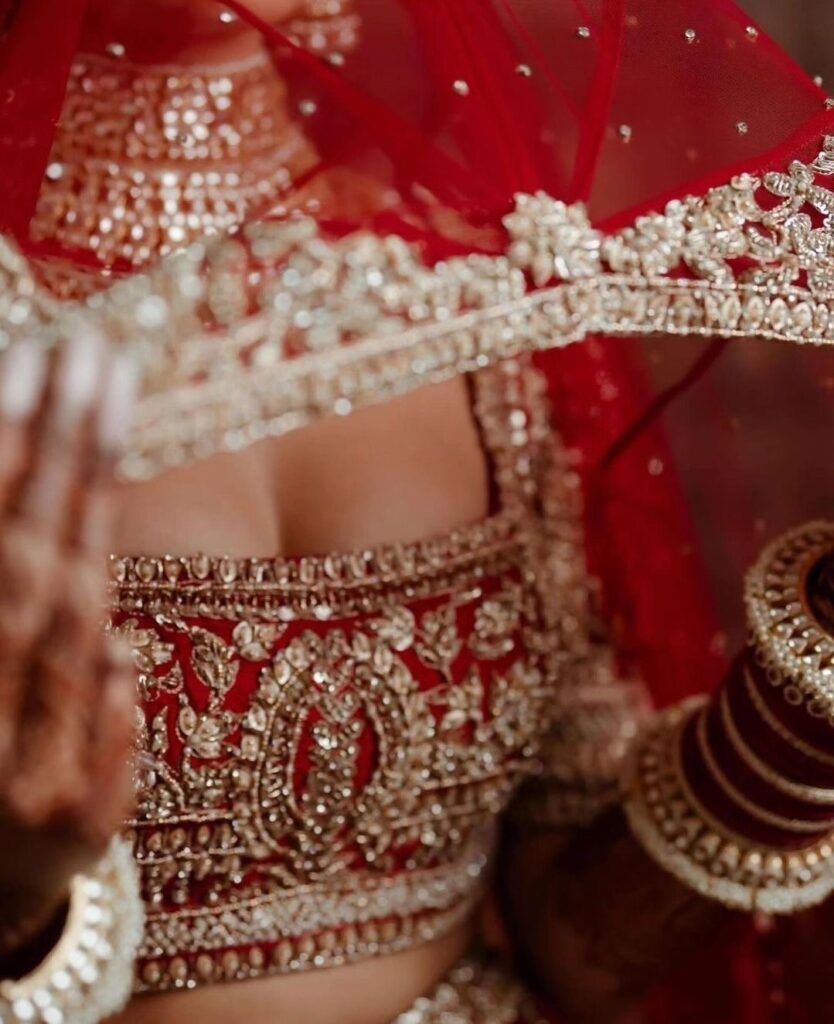
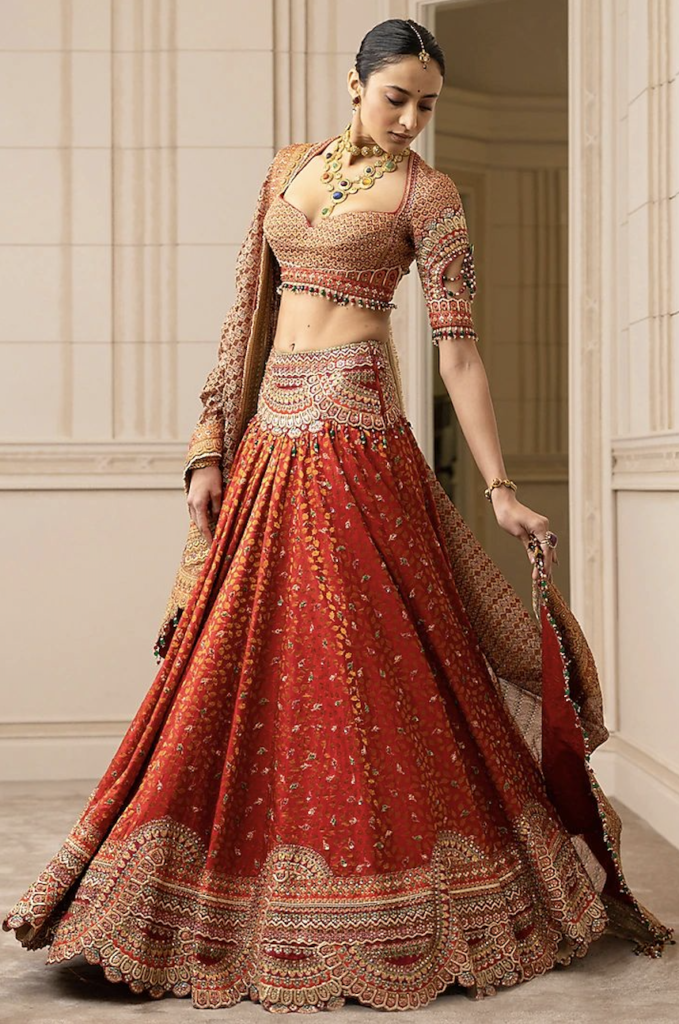
If the mood board is dramatic and jewel-toned, crimson is the answer, brighter and more saturated than maroon, with more blue in it than cherry or vermilion, giving it a cooler, more formal edge. It carries heavy zardozi and traditional silhouettes especially well, and it’s the shade that photographs as “statement” from across the room.
Best for: The main wedding ceremony or a grand reception.
Earthy bridal palettes are having a real moment, and burnt brick sits right in that lane, muted terracotta with deep rust and cinnamon undertones, warmer and dustier than tomato red, with none of scarlet’s brightness. It reads modern without losing warmth, and it’s especially forgiving on warmer skin tones.
Best for: Heritage or outdoor venues, intimate functions.
Rich, slightly unconventional, and closer to purple than any other shade here, wine sits darker and cooler than oxblood, with almost no brown in it, more like a deep grape than dried blood. Especially striking on velvet or silk. Wine has become a favourite for evening cocktail-style pheras where brides want depth without going full black-red.
Best for: Evening cocktail functions.
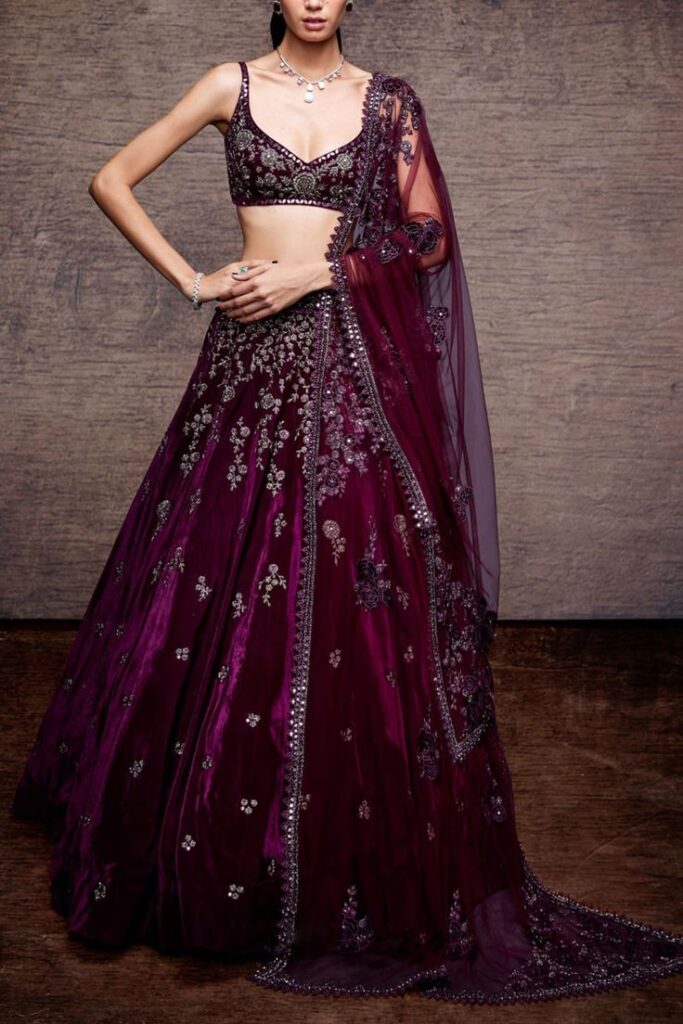
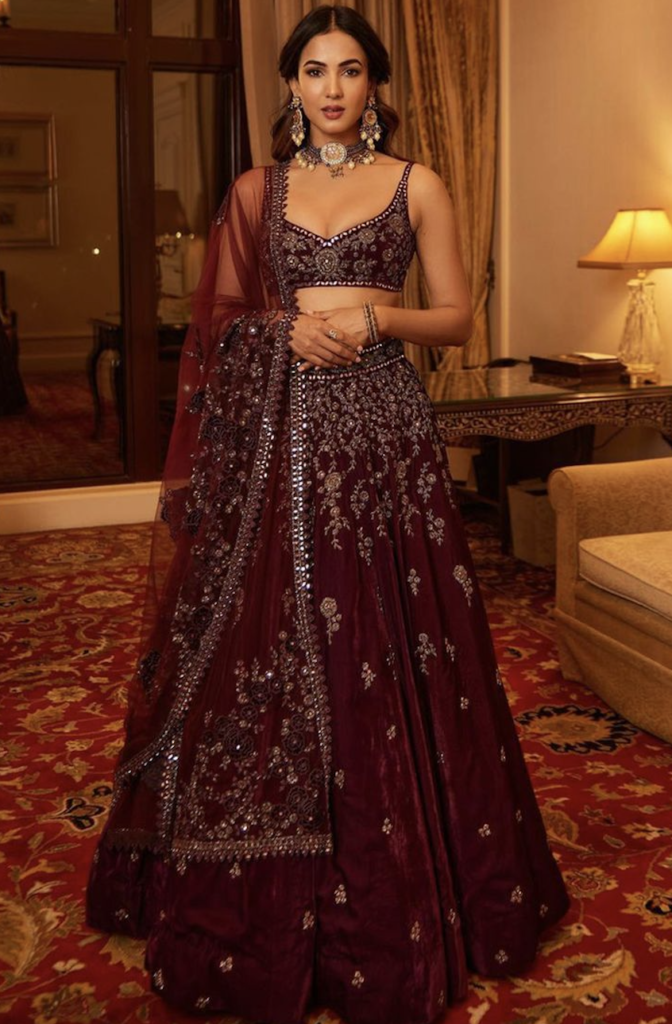
A pure, unapologetically traditional shade drawn straight from sindoor itself, brighter and more orange than maroon, but more matte and less glossy than scarlet. This is the one for brides who want the full emotional weight of “Indian bride” red, with none of it softened or modernised, and it’s genuinely the closest shade on this list to what Anushka Sharma wore for her red Benarasi reception saree.
Best for: The core wedding ceremony.
Bright, bold, impossible to miss, and the most saturated, high-shine version of red on this list, brighter than crimson and cooler than sindoori. Scarlet works best when the rest of the styling is kept clean, lighter makeup, simpler hair, letting the colour itself carry the whole look.
Best for: Maximalist brides, big daytime functions.
For brides who want warmth and richness without full-on vibrancy, rust sits closer to orange-brown than any true red, quieter than burnt brick and considerably warmer than maroon. Rust has become popular with minimalist brides specifically because it still reads as “bridal” without shouting, and, like burnt brick, it tends to suit warmer undertones especially well.
Best for: Intimate weddings, heritage venues.
Polished, slightly glamorous, and brighter and clearer than crimson, with a glass-like shine rather than a matte finish. Especially good with crystal work or a structured corset blouse. Ruby leans more contemporary bridal than traditional.
Best for: Reception, cocktail function.
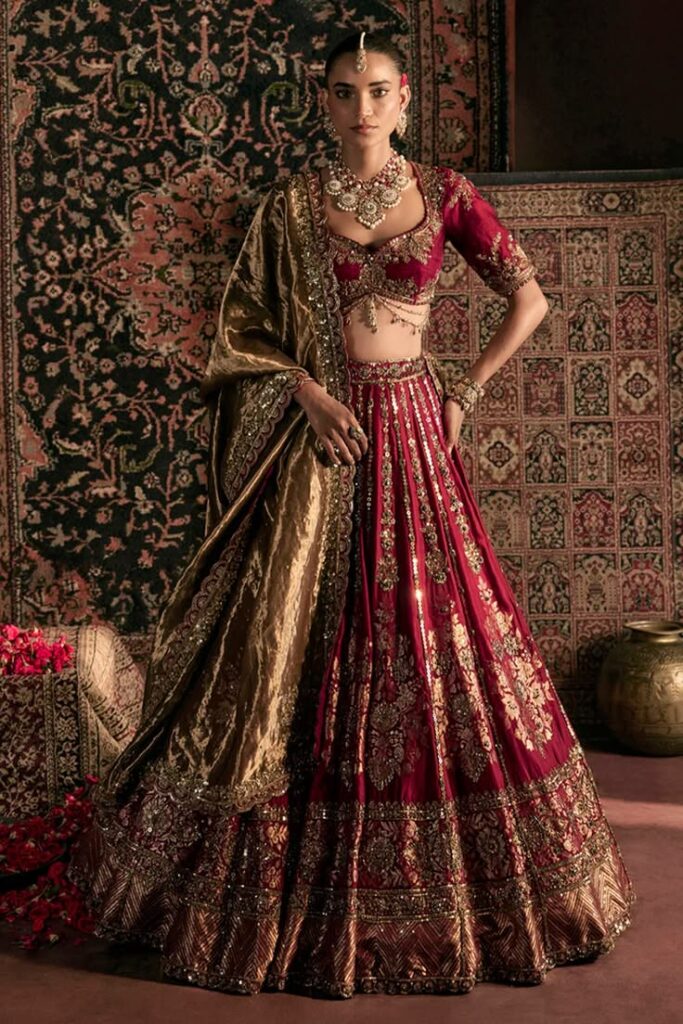
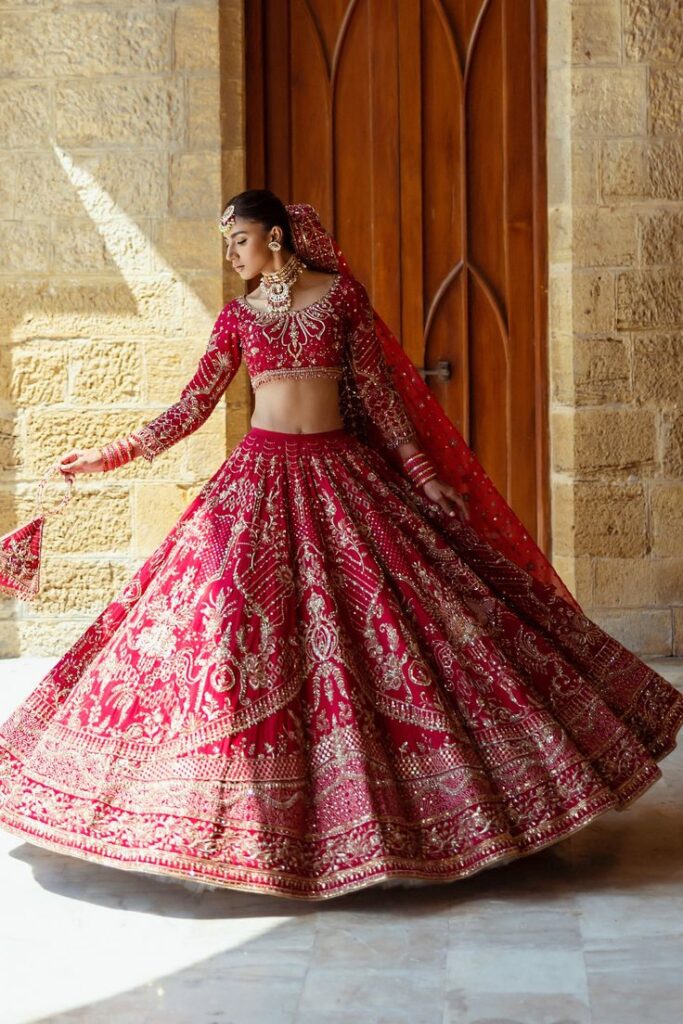
Unexpected but genuinely growing, tomato-leaning reds sit brighter and more orange than scarlet, without vermilion’s softness or sindoori’s matte finish, closer to a true fruit-red than anything else on this list. They’re showing up at haldi-adjacent functions and tropical destination weddings, playful, young, and strong in photographs, especially against greenery or beach settings.
Best for: Haldi, tropical destination functions.
Muted and romantic, rosewood blends dusty rose undertones into classic bridal red, softer and pinker than sindoori, but warmer and less purple than rani. It’s the “quiet luxury bride” version of red, softer without going fully pastel.
Best for: Intimate ceremonies, daytime functions.
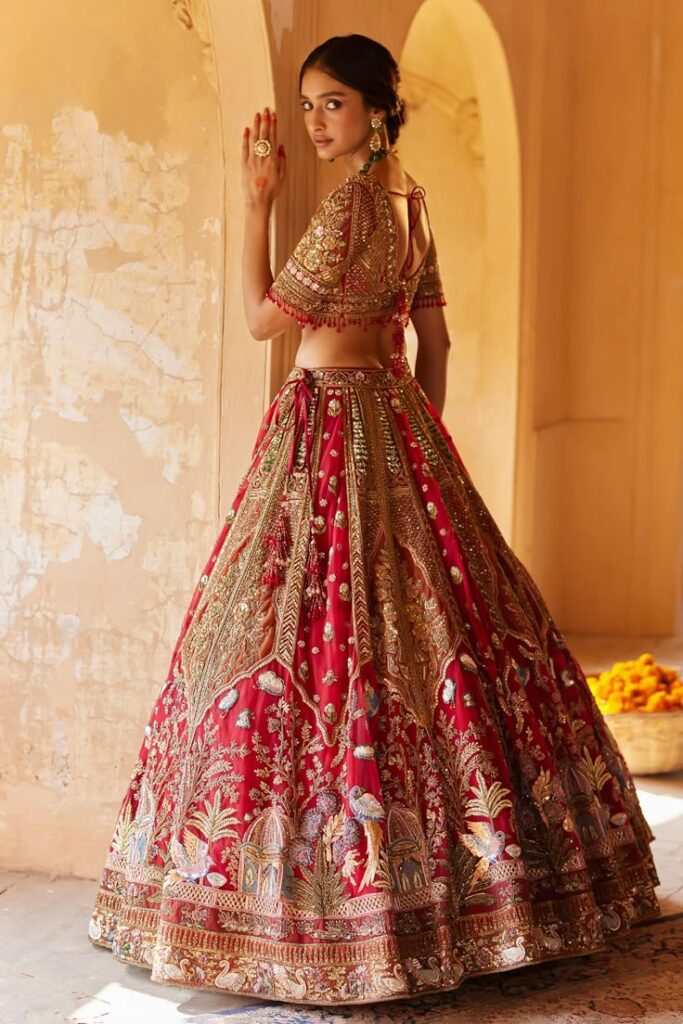
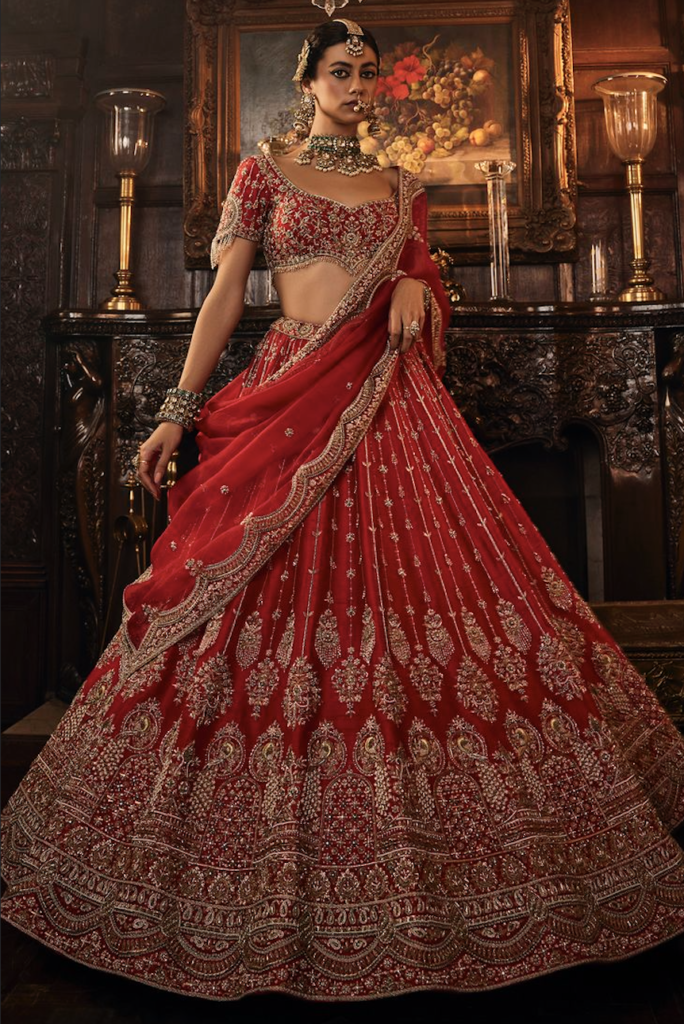
And finally, the one that never really leaves, bright, warm, and gold-adjacent rather than blue-adjacent, sitting almost exactly between sindoori and scarlet. Bright red with gold embroidery is still the most emotionally loaded shade in Indian bridal wear, instantly recognisable, generations-deep, and it still lands every single time.
Best for: The main wedding ceremony, for the bride who wants zero ambiguity about the moment.
There’s genuinely no single “correct” bridal red anymore. The right shade depends on your skin tone, your venue, your photography style, and what actually feels like you rather than what you think a bride is supposed to wear.
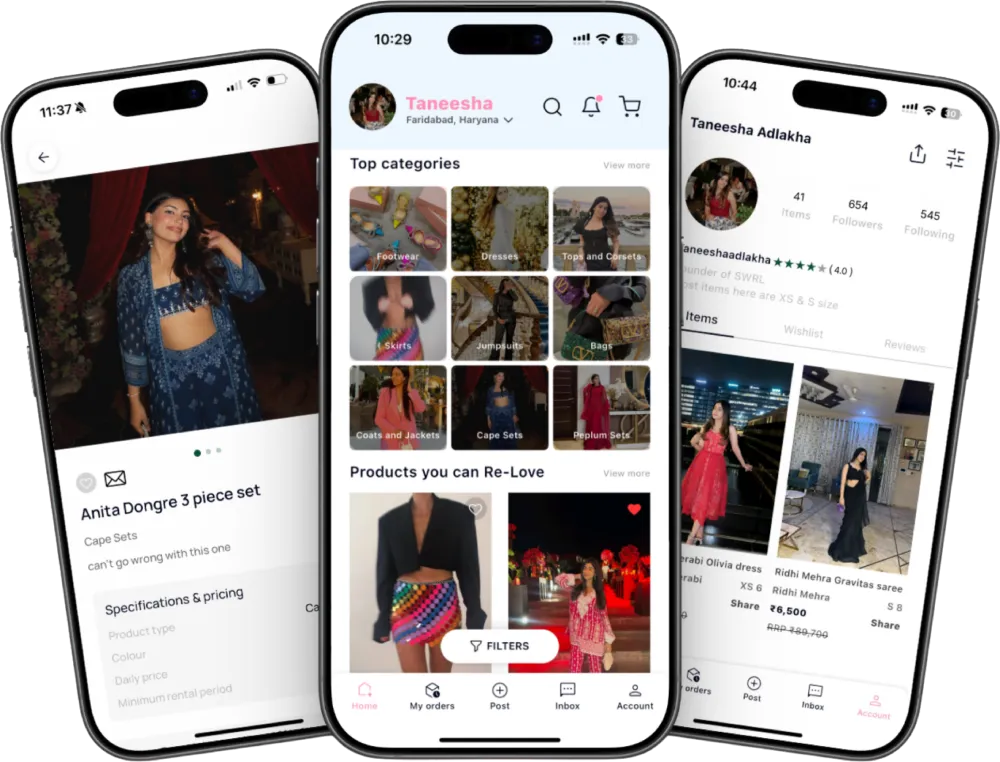
And since a bridal lehenga in any of these shades is realistically a one-function piece, renting means you can actually try the shade that’s calling to you, cherry for the mehendi, wine for the reception, sindoori for the main event, without committing to owning each one. For the full breakdown of how that process actually works, from listing to delivery, check out our [How SWRL Renting Works guide].
How do fittings and alterations work when renting a bridal lehenga? Since bridal pieces on SWRL come from individual lenders rather than standardised retail inventory, always check the exact measurements listed on the piece rather than relying on tagged size, and message the lender directly with your measurements before booking. For a bridal-specific rental, it’s worth requesting the piece a few extra days ahead of your function so a local tailor can make minor adjustments, blouse fitting, dupatta pinning, fall and pico on the hemline, none of which affect the piece’s condition when it’s returned.
Is a lighter or darker red better for photos? Lighter reds, cherry, vermilion, rani, tend to photograph better in natural daylight and outdoor venues, while deeper reds, wine, oxblood, maroon, hold up better under warm indoor evening lighting, where lighter shades can look washed out.
Do I need to buy my bridal red, or can I rent it? Since most brides only wear each specific shade once, for one function, renting lets you access a designer-level red lehenga without owning a piece you may never wear again.
Happy SWRLing.






























Shared with love, from around
the world